History in the Heart of Dandakaranya: Asia’s Largest Tribal Gathering Witnesses a Tectonic Shift as Government Moves to the Jungle
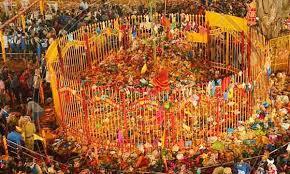
If you stand still for a moment in the dense canopy of the Tadwai forest today, you won’t just hear the wind rustling through the bamboo groves. You will hear the roar of a billion beliefs colliding. You will smell the raw earth mixed with the sweetness of jaggery and the sharp tang of turmeric. You will feel the vibrations of millions of feet marching towards a pair of bamboo poles that hold the spirit of the universe. This is Medaram.
It is a phenomenon that defies the logic of modern civilization. In a remote hamlet that usually houses a few hundred souls, a “human ocean” has materialized. It is larger than the population of many European nations, denser than the streets of Mumbai, and louder than any rock concert. This is the Sammakka Saralamma Jatara 2026 the Kumbh Mela of the South, the pride of the indigenous.
But this year, the script is being rewritten. For centuries, the people went to the gods. This year, the Government has come to the people. In a move that has dominated national headlines, Chief Minister A. Revanth Reddy has moved the seat of power from the glass towers of the Secretariat to the bamboo groves of Mulugu. The historic State Cabinet Meeting scheduled for January 18, 2026, right here in the forest, is not just an administrative protocol; it is a statement. It says that the heart of Telangana beats not in its IT hubs, but in its tribal hinterlands.
Mission Medaram 2026: The ₹251 Crore War Chest
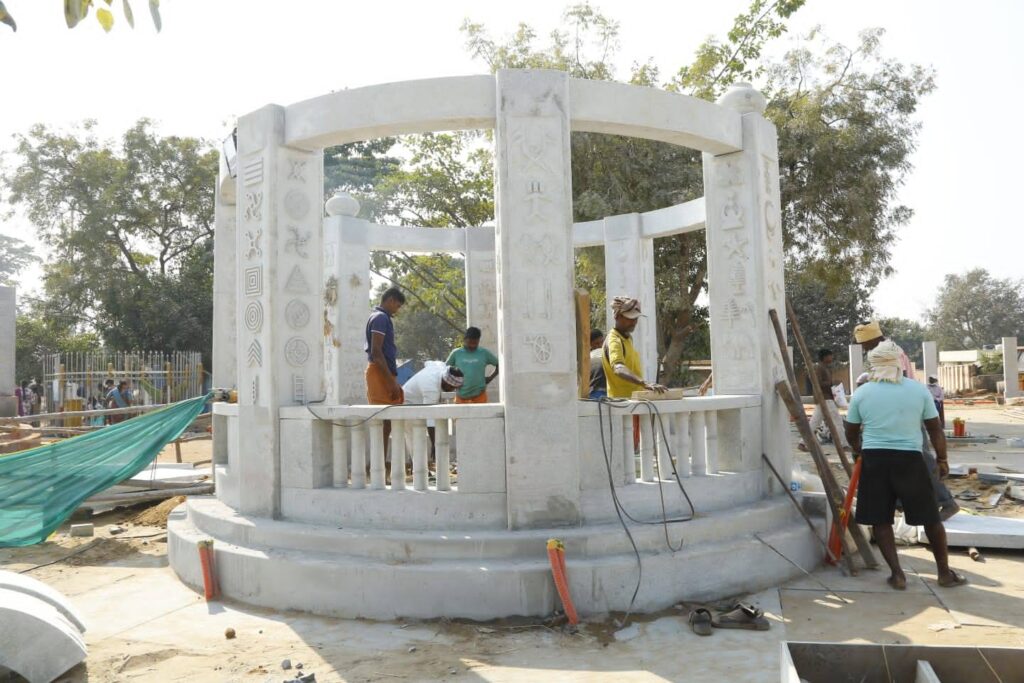
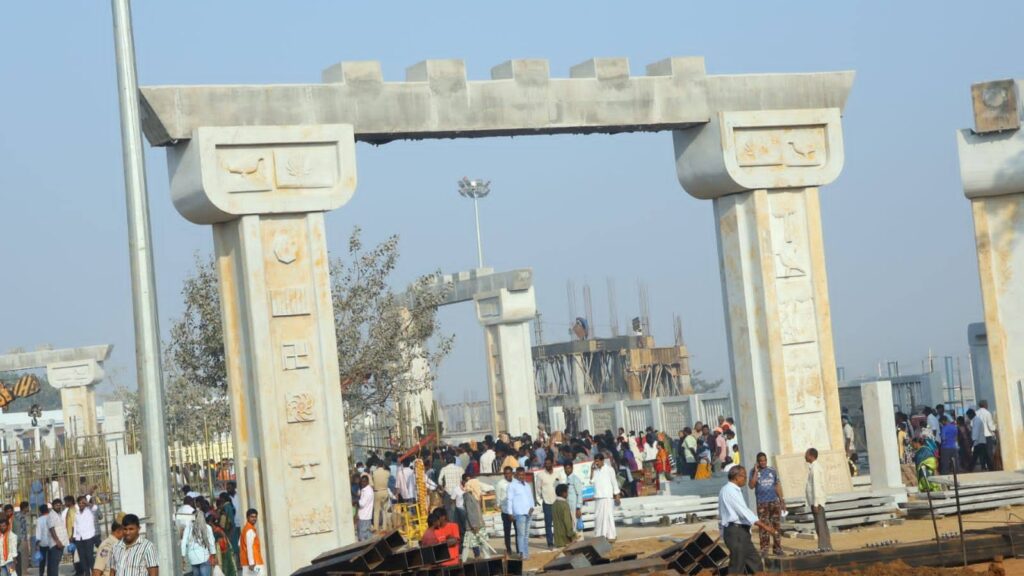

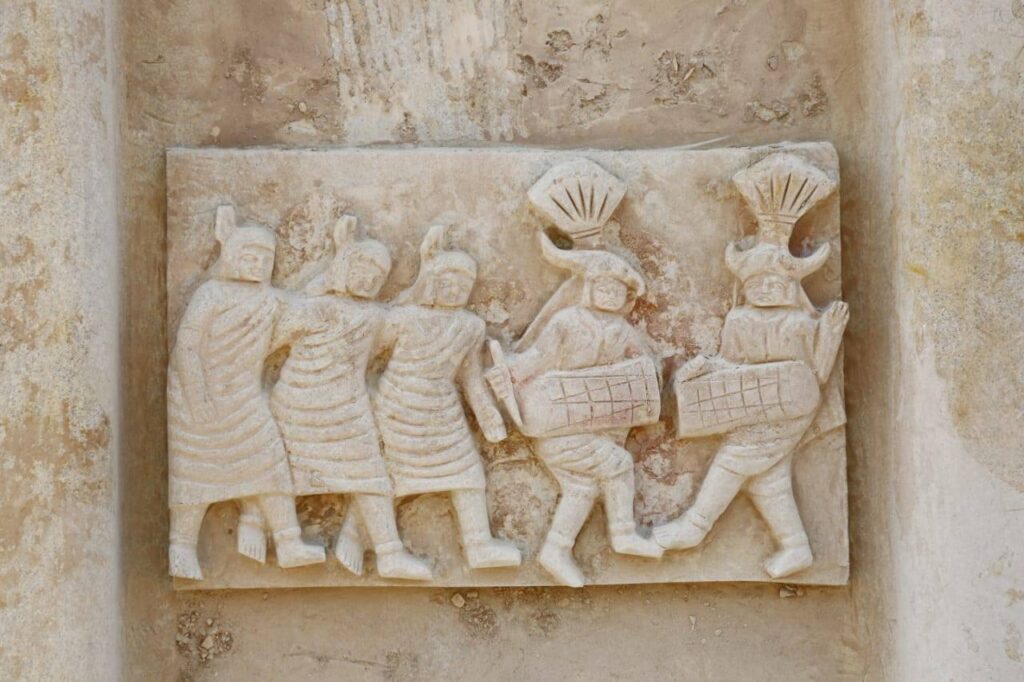
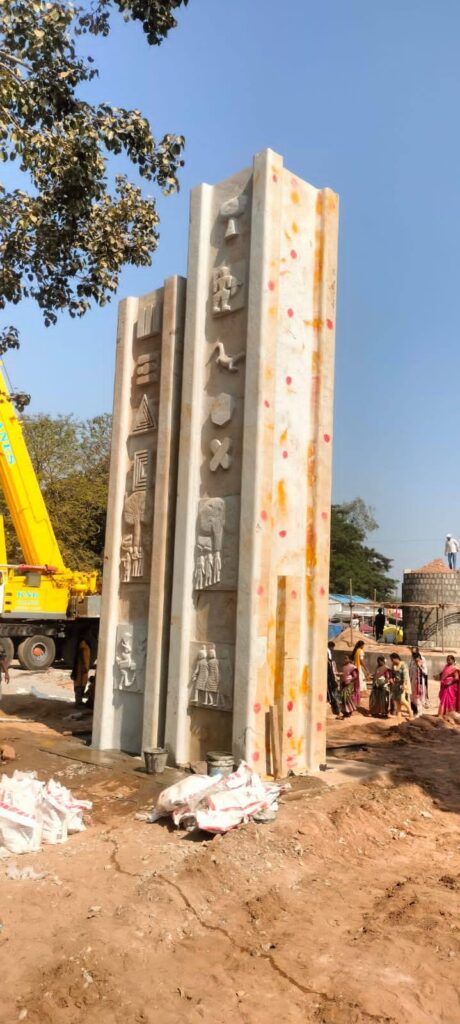

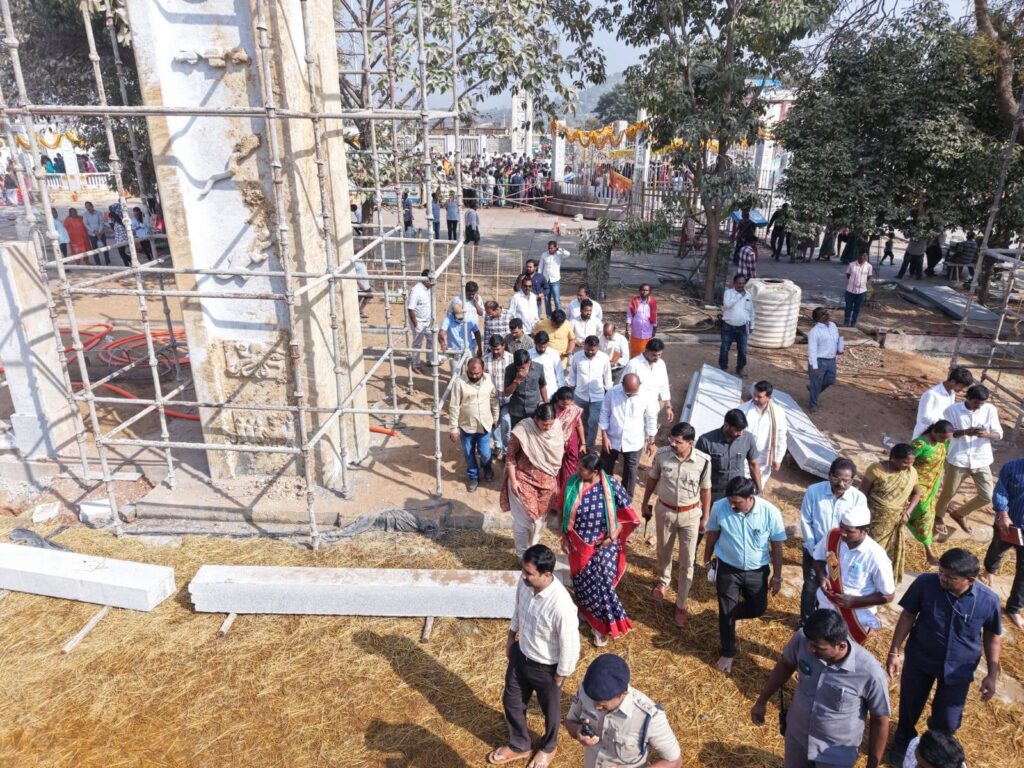
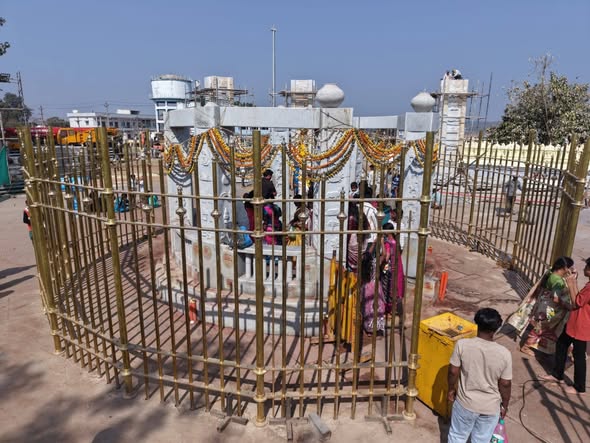
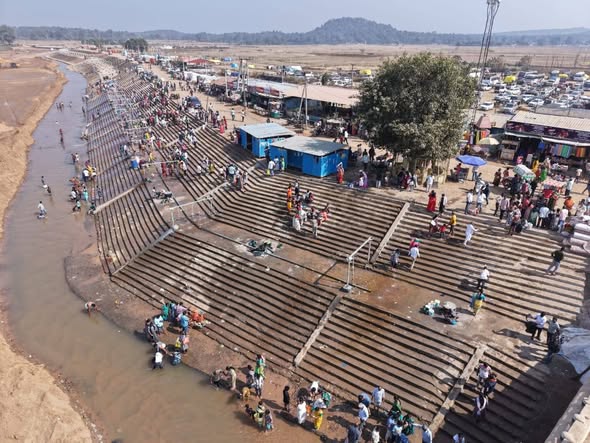
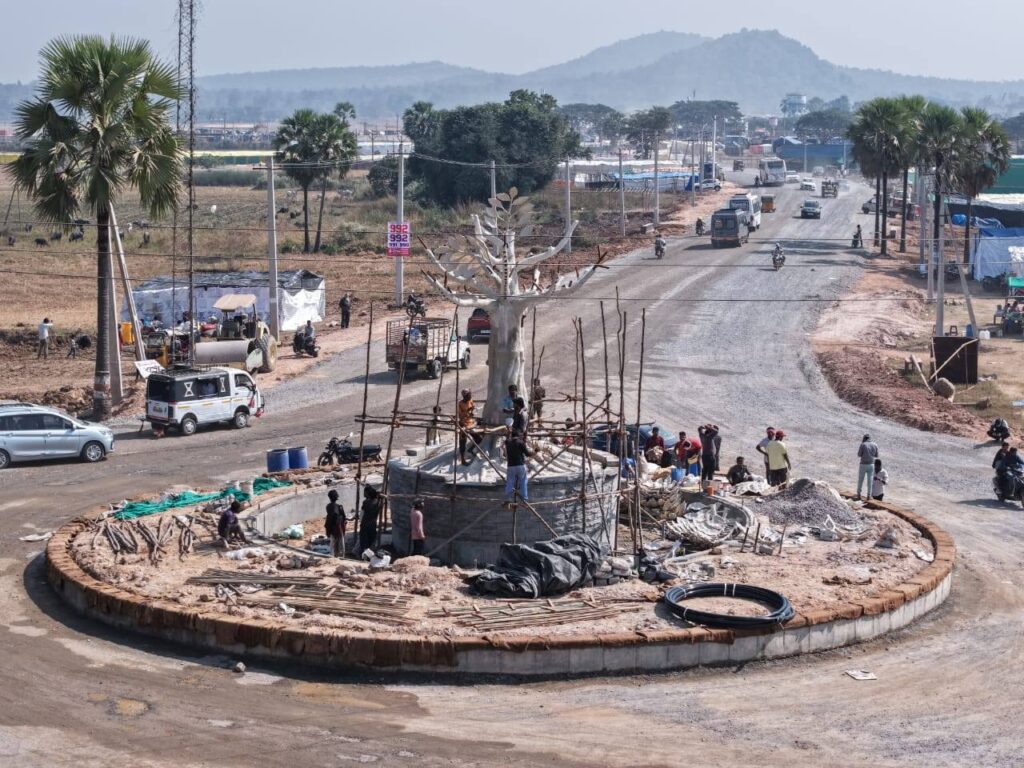
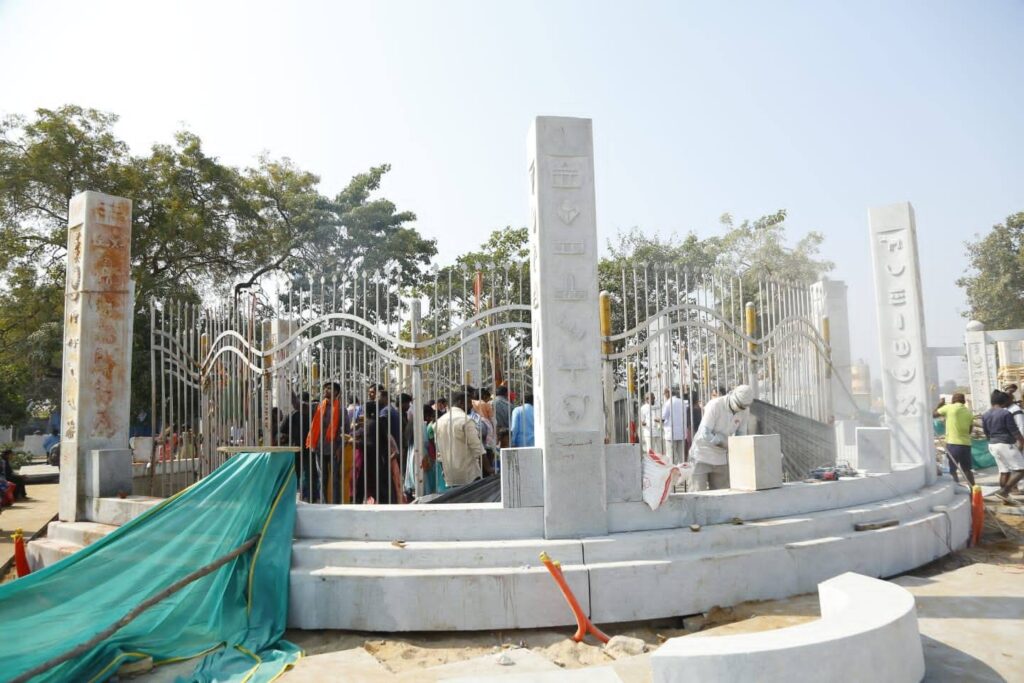
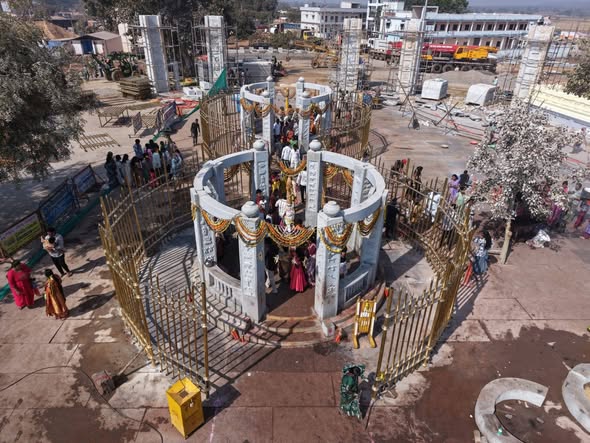
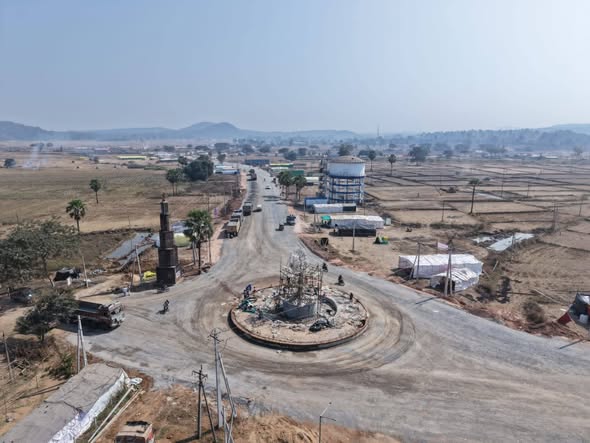
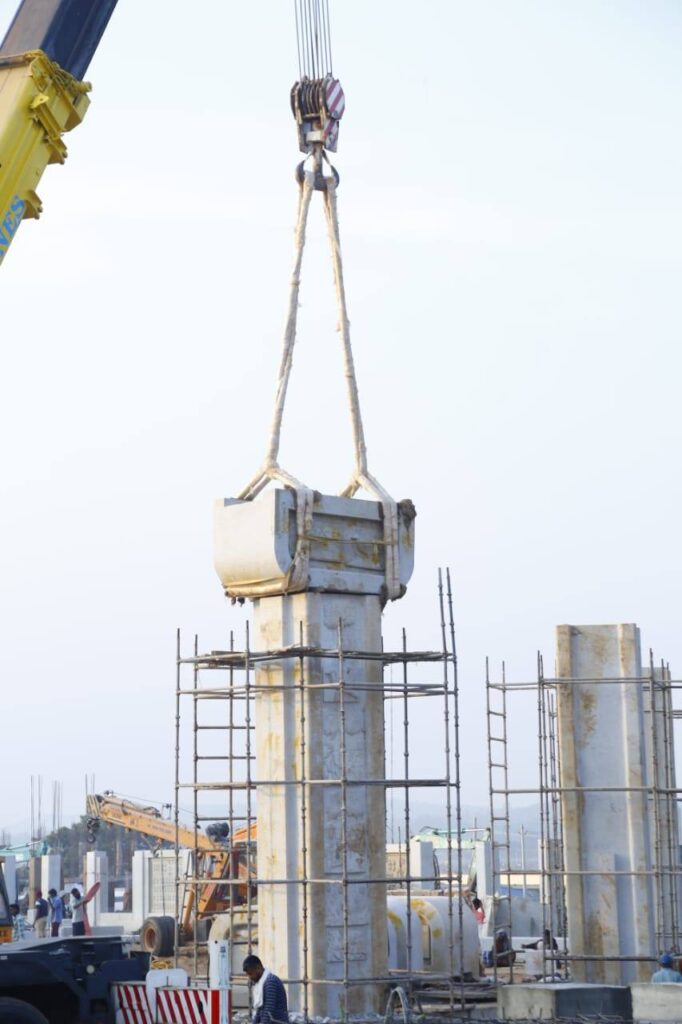
In previous years, Medaram was often a logistical nightmare a cycle of temporary tents and chaotic crowds funded by modest budgets. This year, the administration has treated the Jatara as a National Project. Breaking all previous records, the State Government has sanctioned a staggering ₹251 Crores for the arrangements. This is the highest-ever funding in the history of the Jatara.
The devil, however, is in the details of this expenditure. Unlike the “use-and-throw” approach of the past, a massive chunk of this budget approximately ₹101 Crores has been directed specifically towards permanent infrastructure meant to last for decades, if not centuries.
- The Stone Legacy: The sacred Gaddelu (platforms) of Sammakka and Saralamma have undergone a massive renovation using high-quality Krishna Shila (Black Granite). The shrine complex has been expanded to accommodate up to 10,000 devotees for darshan simultaneously, a move aimed at ending the crushing stampedes of the past.
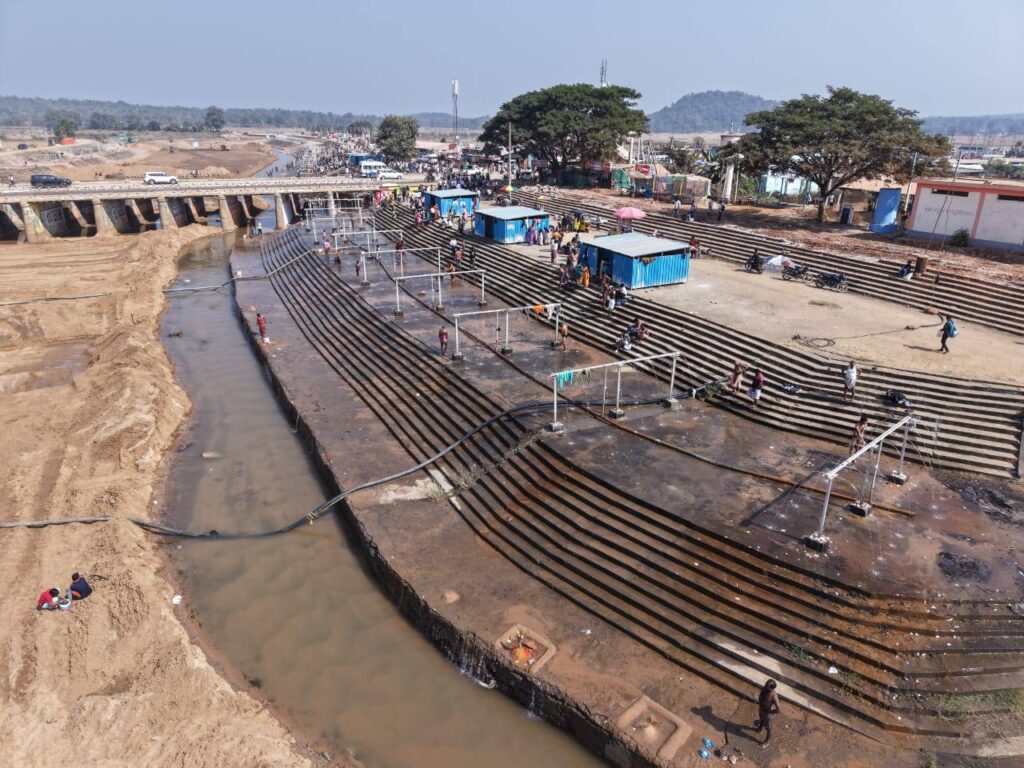
- Dignity at Jampanna Vagu: The banks of the Jampanna Vagu stream, where devotees take a holy dip, have been transformed. The government has constructed 3.5 kilometers of permanent bathing ghats. More importantly, for the first time, the dignity of women devotees has been prioritized with the construction of over 132 permanent dressing rooms and 352 shower points.
- The Concrete Arteries: Connectivity has been revolutionized with the construction of high-level bridges, including the crucial Kondai Bridge, and the widening of forest roads into 4-lane access routes (e.g., from Kondaparthi to Padikapuram).
The Legend: A 12th Century Saga of Defiance
To understand why an estimated 3 Crore devotees are expected to sleep on the forest floor between January 28 and 31, one must understand the blood that soaked this soil 800 years ago. This is not mythology; it is a history of resistance found in the annals of the Kakatiya dynasty. It dates back to the 12th Century, when the region was reeling under a severe drought. The Koya chieftain, Medaraju, refused to pay taxes to the Kakatiya Emperor Prataparudra, prioritizing his starving people over the royal treasury. The Emperor’s response was a ruthless invasion.
The battle that followed on the banks of the Sampenga Vagu was unequal but legendary. Sammakka, the queen, stood as a shield for her people. Her daughter, Saralamma, fought with the ferocity of a tigress. Her son, Jampanna, fought until the stream turned red with his blood a stream now revered as Jampanna Vagu. Wounded and grieving, Sammakka walked towards Chilakalagutta (Parrot Hill) and vanished, leaving behind a casket of vermilion (Kumkuma Bharina). She promised to return every two years to bless the land. That promise is the magnet that pulls the world to Medaram today.
The Cabinet in the Jungle: Decoding the Politics
Why hold a Cabinet Meeting in the forest? Political analysts see the January 18 Cabinet Meet as a masterstroke. By sitting on tribal soil to sign files, CM Revanth Reddy is sending a signal of “Inclusive Governance.” The Cabinet is expected to discuss key approvals regarding the Sammakka Saralamma Central Tribal University in Mulugu, a promise etched in the AP Reorganization Act. Additionally, discussions on ‘Podu Lands’ and forest rights are anticipated, addressing the core issues of the indigenous population. The Chief Minister has repeatedly referred to the deities as his “sisters,” striking an emotional chord with the rural electorate.
The Untold Truths of the Forest
While the political and logistical magnitude of the event is evident, the true soul of Medaram lies in the details often missed by the casual observer. Unlike mainstream Hindu temples, Medaram has no permanent idol, no Vedic chanting, and no Brahmin priests. It is a festival of the soil, run entirely by the Koya tribe, and the specific roles are strictly divided among distinct clans a fact rarely covered in mainstream media.
It is the Kaka Vaddes (priests) who have the exclusive right to bring the deity Saralamma from Kannepalli. Similarly, the Penka Vaddes are responsible for bringing Pagididda Raju from Poonugondla, and the Dubbagatta Vaddes bring Govinda Raju from Kondai. Most importantly, it is the Siddaboina clan that treks to the secret location on Chilakalagutta to bring down the essence of Sammakka. These priests do not use Sanskrit mantras; they use the rhythmic beat of drums and primal calls to invoke the spirits.
Another fascinating, often overlooked aspect is the offering of Jaggery, which the tribals call Bangaram (Gold). Why jaggery? In the ancient trade routes of the Dandakaranya forest, the Adivasis had no use for yellow metal. For them, the yellow jaggery, which provided instant energy for their arduous treks and hunts, was the true wealth. Offering it to the goddess was the ultimate sacrifice of their most valuable resource. Today, when a CEO or a software engineer weighs themselves in jaggery (Tulabharam), they are unknowingly participating in an ancient economic ritual of the forest.
The Soul of Telangana
As the sun sets over the Jampanna Vagu, turning the water into liquid gold, one realizes that Medaram is more than a festival. It is an assertion of identity. It is a reminder that in Telangana, the forest is not just a resource; it is a temple. And the women who fought for it are not just ancestors; they are Gods.
Tomorrow, when the Chief Minister signs the first file at the Cabinet meet, he will be doing so under the watchful eyes of Sammakka and Saralamma. History is being made in Mulugu, and the world is rightfully watching.
Jai Sammakka. Jai Saralamma